
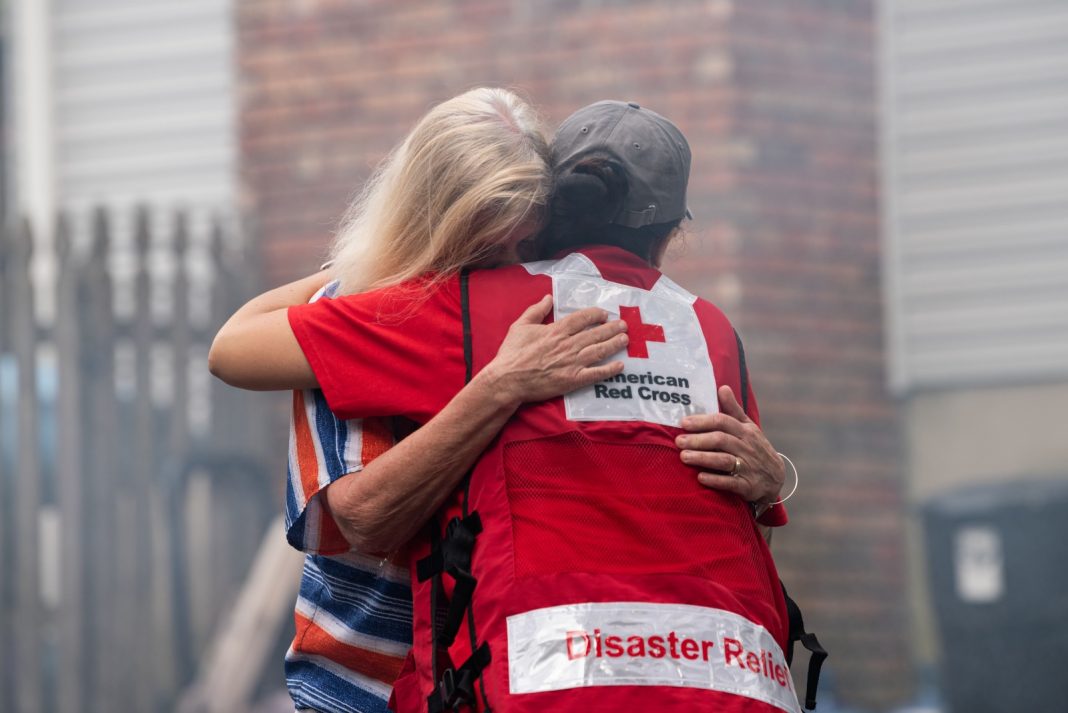

Compassion in action begins when another person’s suffering becomes more important than our convenience, prejudice or distance from the problem.
In June 1859, Swiss businessman Henry Dunant arrived near Solferino in northern Italy after a devastating battle involving French, Italian and Austrian forces.
Thousands of wounded soldiers had been left with inadequate medical care. Dunant organised local civilians to provide food, water and treatment, insisting that the wounded should be helped regardless of the army for which they had fought.
After returning to Geneva, he wrote A Memory of Solferino and proposed permanent volunteer organisations to care for wounded soldiers, together with international agreements protecting them. His ideas helped lead to the establishment of the organisation that became the International Committee of the Red Cross and to the first Geneva Convention. International Committee of the Red Cross
“My little children, let us not love in word, neither in tongue; but in deed and in truth.”
1 John 3:18, KJV
Compassion Sees the Person First
The wounded soldiers at Solferino wore different uniforms, spoke different languages and had fought on opposing sides.
Dunant and the local volunteers chose to see suffering human beings before they saw political or military identities.
Christian compassion does not require us to approve of everything another person believes or has done. It recognises that human need still deserves a humane response.
Feeling Is Not Enough
We can feel sorrow about suffering without doing anything to reduce it.
Compassion becomes meaningful when it asks practical questions: What is needed? What can I provide? Who else can help? What should happen next?
“If a brother or sister be naked, and destitute of daily food… and ye give them not those things which are needful to the body; what doth it profit?”
James 2:15–16, KJV
A kind thought cannot feed a hungry person. Sympathy alone cannot shelter a displaced family. Love must eventually take a practical form.
Build Beyond the Emergency
Dunant did not stop after helping on the battlefield. He asked how future suffering could be reduced through preparation, organisation and law.
Sometimes compassion requires more than responding to one emergency. It requires building a system that continues helping after the immediate emotion has passed.
You may not establish an international organisation, but you can create a process, fund, support network or consistent commitment that meets a recurring need.
Compassion feels the pain. Wisdom organises the response. Faithfulness continues the work.
Compassion must become action.
Prayer
Heavenly Father, open my eyes to the suffering around me.
Deliver me from compassion that ends with words and good intentions. Show me what I can do practically with the time, influence and resources You have given me.
Help me to see human need before labels, divisions and prejudice. Give me wisdom to build solutions that continue serving after the immediate crisis has passed.
In Jesus’ name. Amen.
SEO Details
Focus keyphrase: Compassion in action
Secondary keyphrases:
SEO title:
URL slug: compassion-in-action
Meta description:
The Sacred Pause presents Christian reflections rooted in Scripture, offering encouragement, prayer and practical wisdom for everyday life. It forms part of The Trent’s broader exploration of faith, meaning and the human experience.