
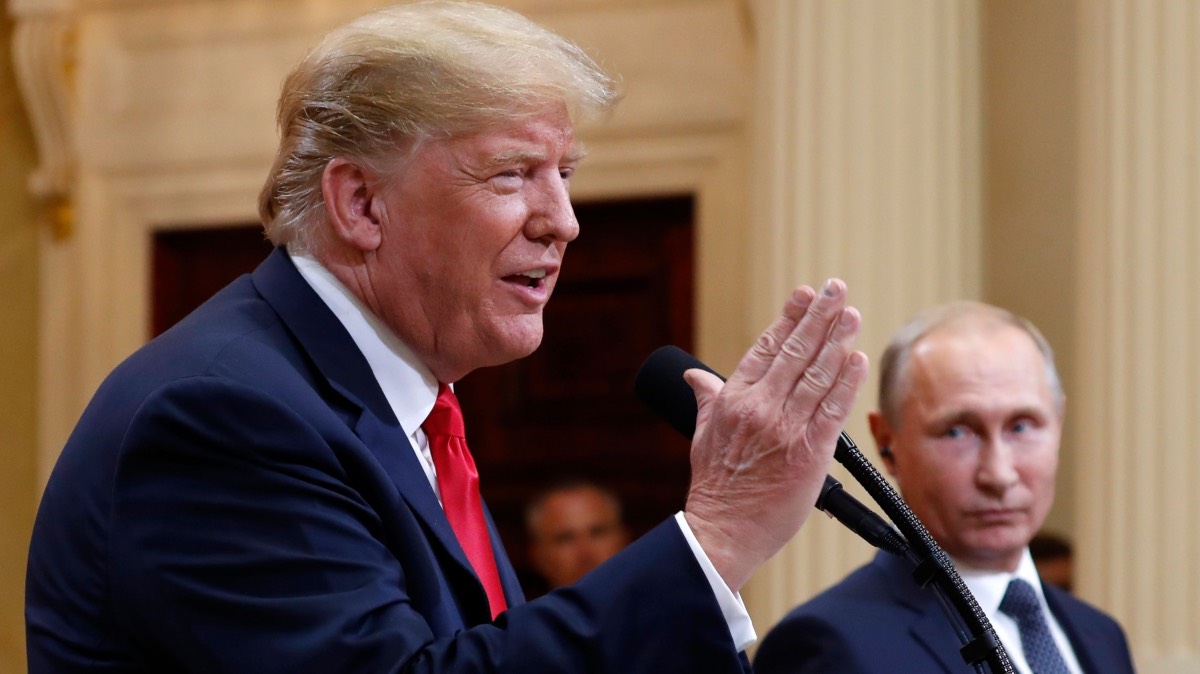

WASHINGTON, United States — Seven Republican and Democratic senators have challenged President Donald Trump’s agreement to import Russian diesel, accusing his administration of disregarding federal law and potentially providing revenue to finance Russia’s war against Ukraine.
The lawmakers said the administration had also failed to consult Congress or provide the explanation required before reversing restrictions on Russian energy imports.
In a joint statement issued on Sunday, October 11, 2026, four Republican senators and three Democrats demanded that Trump abandon the arrangement he announced following discussions with Russian President Vladimir Putin.
“The United States should not provide Putin with a financial lifeline while Russia continues to kill Ukrainian civilians. The Administration must immediately reverse course,” the senators said.
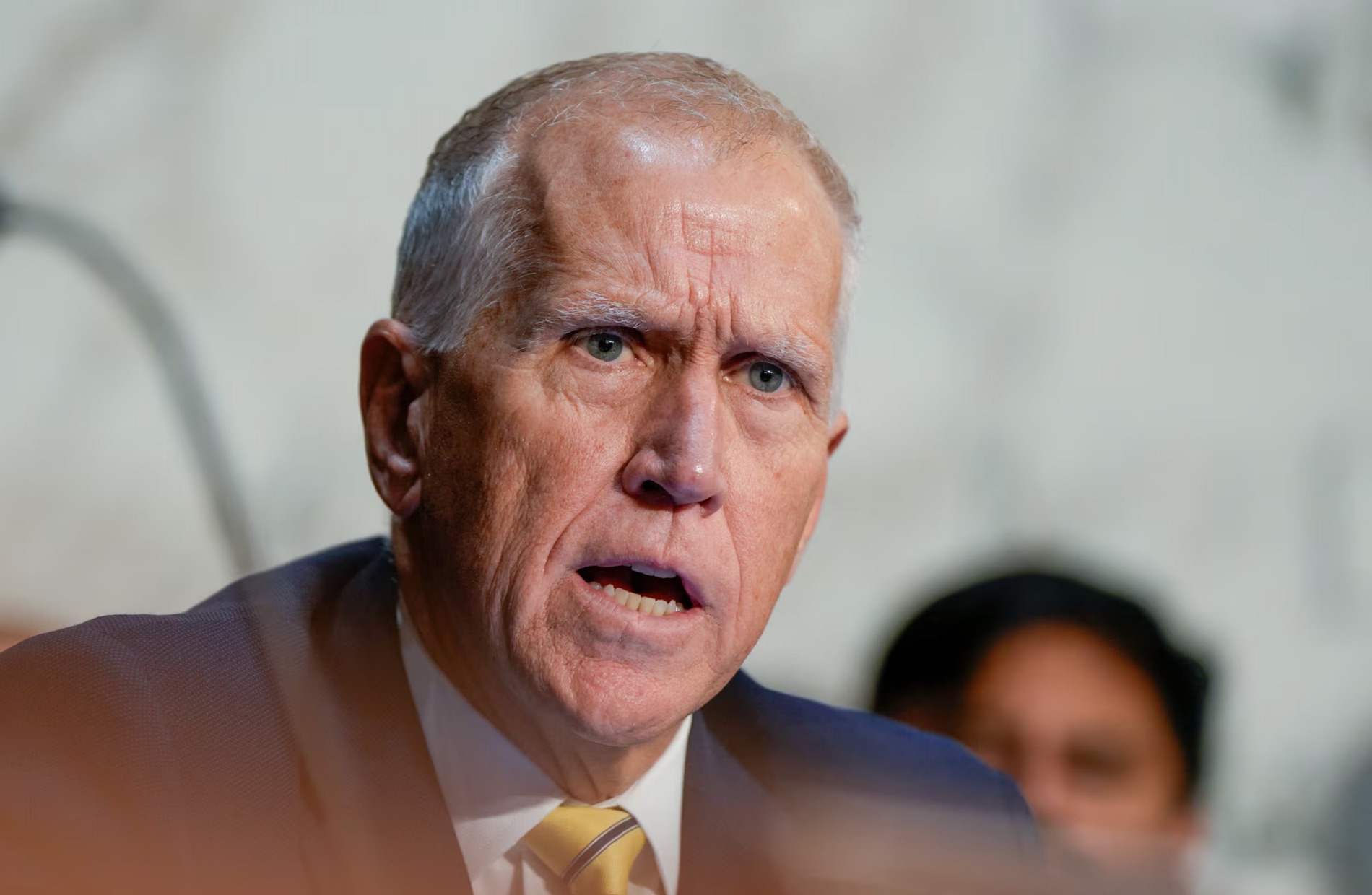
The statement was signed by Republicans Susan Collins of Maine, Lisa Murkowski of Alaska, Thom Tillis of North Carolina, and John Curtis of Utah.
Democratic signatories were Jeanne Shaheen of New Hampshire, Richard Blumenthal of Connecticut, and Ron Wyden of Oregon.
The intervention followed Trump’s decision to temporarily ease restrictions on Russian diesel sales in an effort to increase global fuel supplies and reduce prices.
Senators Cite 2022 Ban on Russian Energy Imports
The lawmakers argued that the agreement conflicts with legislation enacted after Russia’s full-scale invasion of Ukraine in February 2022.
Congress passed the Ending Importation of Russian Oil Act that year to prohibit Russian energy imports into the United States.
The law also establishes procedures governing the termination of those restrictions, including consultation with congressional committees and submission of a report explaining the president’s determination.
The senators accused the administration of disregarding those requirements.
“President Trump’s decision to allow Russian diesel imports to the U.S. runs directly counter to that law,” they said.
They maintained that Congress had intended the restrictions to remain in place until Moscow ended its aggression against Ukraine and ceased threatening NATO allies.
Tillis separately questioned the legality of the agreement during an appearance on NBC’s Meet the Press.
“I do believe there’s a legitimate case for saying the president’s not following the law,” he said.
The North Carolina Republican, who is retiring from the Senate in January, also warned that easing restrictions on Russian energy could undermine efforts to bring an end to the war.
The administration disputes the lawmakers’ interpretation of its legal authority. No court ruling establishing that the diesel arrangement violates federal law was cited in the reports.
Treasury Defends Decision to Ease Sanctions
The agreement followed a telephone conversation between Trump and Putin on Friday.
Trump said Russia had committed to releasing more than 300,000 tonnes of diesel into American and international markets immediately.
He also announced plans for an additional 500,000 tonnes in November, followed by one million tonnes and further supplies thereafter.
The US Treasury Department subsequently issued General Licence 135, authorising specified transactions involving the sale, delivery, unloading, and importation of Russian-origin diesel.
The authorisation temporarily eases restrictions that had been imposed to limit Moscow’s energy revenue.
Treasury Secretary Scott Bessent defended the decision during an interview with Fox News on Sunday.
He said the administration possessed the necessary legal authority and maintained that increasing diesel supplies would benefit American consumers.
“We’re going to do it with all the legal authorities we have,” Bessent said.
He rejected suggestions that either the existing prohibition on Russian energy imports or newer sanctions legislation prevented the administration from proceeding.
Republican Senator John Barrasso of Wyoming also defended Trump’s decision, saying the president was attempting to address rising energy costs.
“The president is balancing and has to make tough decisions,” Barrasso told CBS’s Face the Nation.
Rising Diesel Prices Drive Policy Dispute
Trump’s agreement comes amid sharply higher diesel prices in the United States, where fuel costs have increased during the conflict involving Iran and disruptions to international energy supplies.
Diesel is widely used in freight transportation, agriculture, manufacturing, and home heating.
The administration has presented increased Russian supplies as one way to ease pressure on consumers and businesses.
However, energy analysts have questioned whether the quantities announced would be sufficient to produce sustained reductions in prices.
The Financial Times reported that the proposed supplies would represent a relatively small share of international diesel demand.
The agreement was announced weeks before the November 3 congressional elections, when Republicans will seek to retain control of Congress.
It has attracted criticism from members of Trump’s party as well as Democrats.
Former Vice-President Mike Pence called the easing of restrictions a betrayal of the legacy of Lindsey Graham, the late Republican senator who had advocated stronger sanctions against Russia.
Republican Representative Don Bacon of Nebraska also criticised the decision, arguing that additional Russian energy revenue could support Moscow’s military operations.
Ukraine and Canada Condemn Agreement
Ukrainian President Volodymyr Zelensky has criticised the diesel arrangement, warning that it could provide Russia with additional resources while its military campaign continues.
Canadian Prime Minister Mark Carney also expressed concern during a telephone conversation with Zelensky on Sunday.
According to a statement from Carney’s office, the agreement conflicts with efforts by Canada, Ukraine, and their allies to strengthen European security.
The dispute comes as Trump seeks to negotiate an end to attacks on energy infrastructure in Russia and Ukraine.
On Sunday, the president announced what he described as an immediate energy ceasefire between the two countries.
Zelensky subsequently expressed support for a reciprocal halt to attacks but said Ukraine was awaiting details from Washington.
Russia had not publicly confirmed its participation in the proposed arrangement.
The administration has not announced that it will withdraw the Treasury authorisation, and the legal disagreement over the import restrictions remains unresolved.




