


A date printed on food packaging does not always mean the product becomes unsafe at midnight. But for some refrigerated and ready-to-eat foods, the passage of time can significantly increase the need for caution.
The distinction matters because food can deteriorate in different ways. Some products mainly lose freshness or quality, while others can provide conditions in which harmful bacteria multiply.
For consumers trying to decide what belongs in the refrigerator and what belongs in the bin, the most important question is not always whether the date on the package has passed. It can also be how the food was stored, whether it has been opened and how quickly it is normally expected to be used.
Here are 10 foods for which that distinction is particularly important.
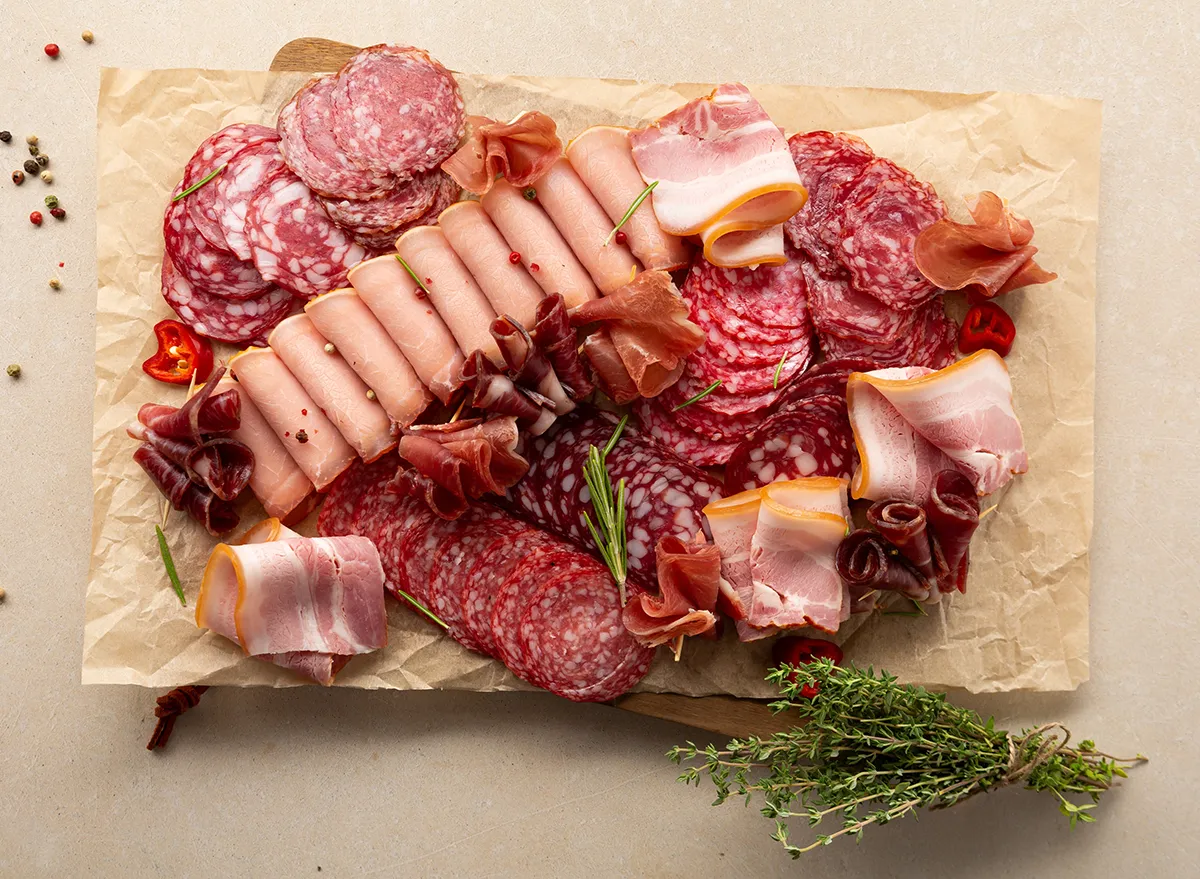
1. Deli Meat
Cold cuts and other refrigerated ready-to-eat meats have relatively short storage periods once they have been sliced or opened.
Freshly sliced deli meat is generally considered suitable for only a few days, while unopened packaged versions can last substantially longer under refrigeration.
One reason for the caution is Listeria, a bacterium capable of growing at refrigerator temperatures. Infection can be particularly serious for pregnant women, newborns and people with weakened immune systems.
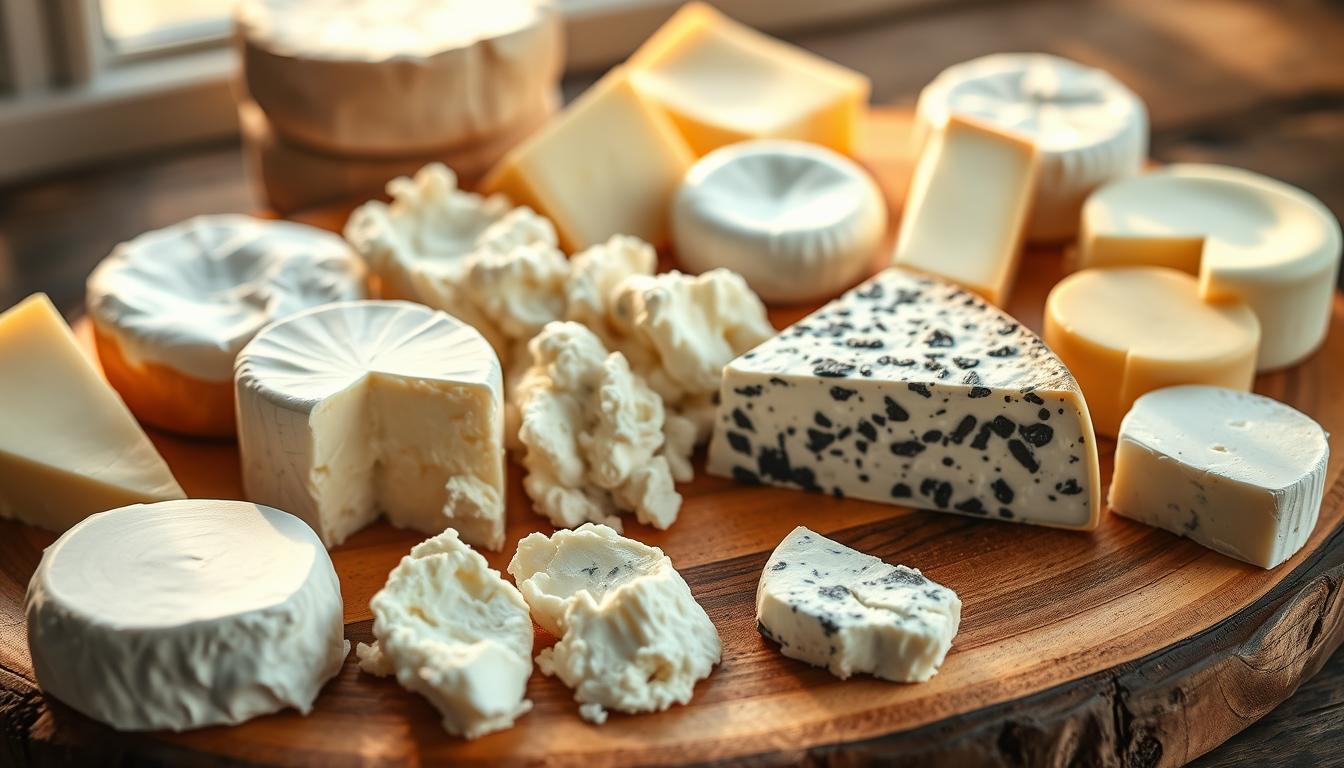
2. Soft Cheese
Not all cheese ages in the same way.
Soft cheeses contain considerably more moisture than hard varieties, making them less forgiving when they begin to deteriorate. Ricotta, cream cheese, goat cheese and brie fall into this category.
Cream cheese is generally recommended for use within about two weeks after opening, while ricotta has a shorter recommended period of about a week.
Visible mould is another warning sign. The approach sometimes used with hard cheese — cutting away a mouldy section — should not automatically be applied to soft cheese because contamination can extend beyond what is visible.
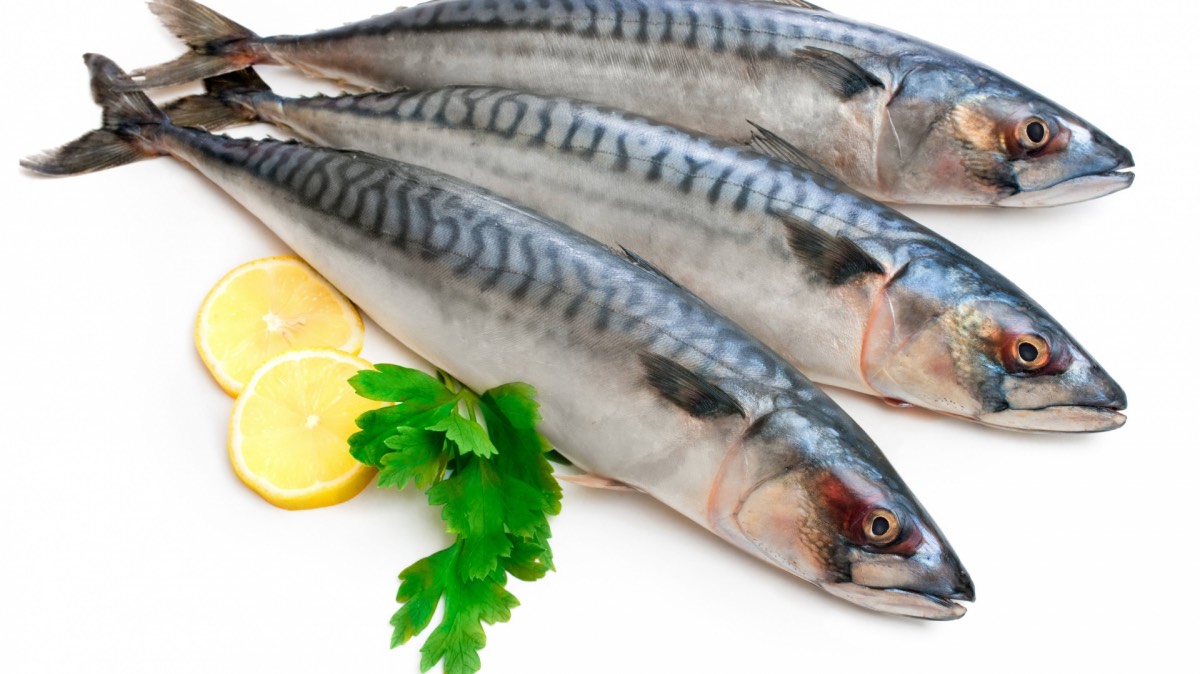
3. Raw Fish
Fresh fish is among the foods that should move quickly from the shop to the kitchen.
The recommended period for cooking or freezing raw fish is about two days after purchase. Beyond that point, keeping the fish refrigerated does not necessarily make it suitable indefinitely.
A pronounced sour smell, an unusually strong fishy odour or an ammonia-like smell are signs that the seafood should not be eaten.
Some types of fish-related food poisoning also cannot simply be eliminated by cooking, making proper storage important from the beginning.
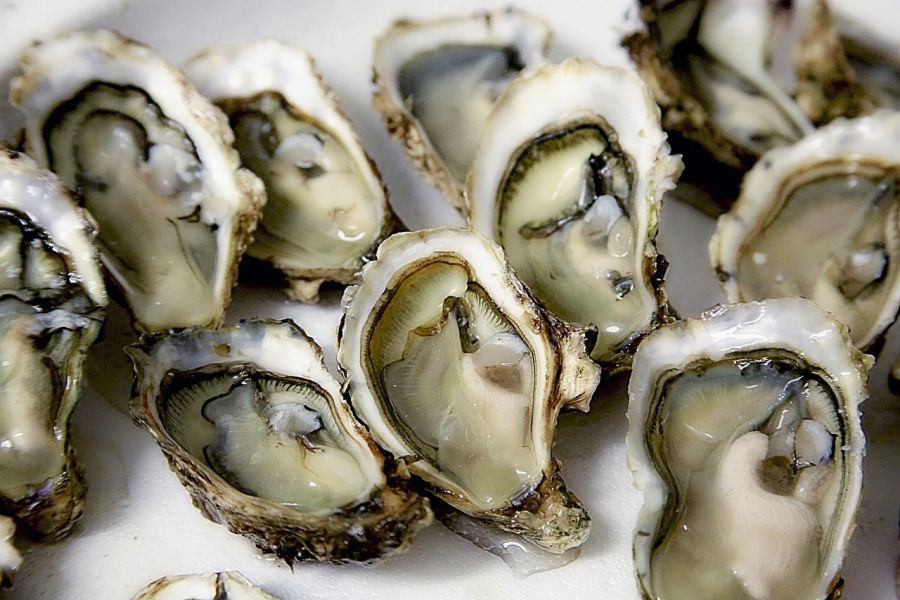
4. Shellfish
Shellfish has its own storage timetable.
Live clams, mussels and oysters can generally be kept for about three days, while commercially shucked or jarred varieties may remain suitable for roughly five to 10 days.
Scallops have a shorter window of about one to three days.
Because seafood can deteriorate quickly, consumers should not assume that refrigeration alone will preserve it indefinitely.
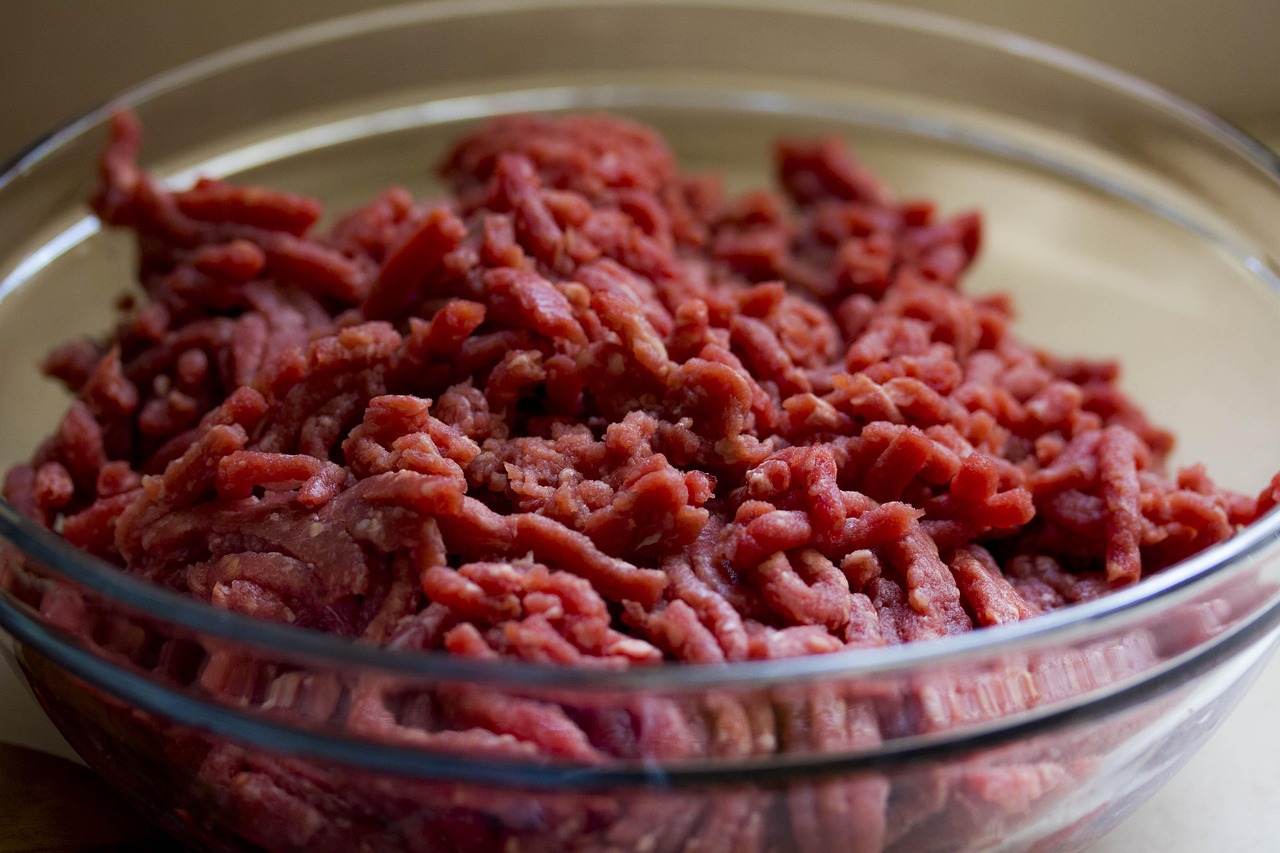
5. Ground Meat
Ground beef, pork and turkey require more attention than an intact cut of meat because grinding distributes material throughout the product.
The recommended refrigerated period for ground meat is about two days before it should either be cooked or frozen.
That makes ground meat a poor candidate for being forgotten at the back of the refrigerator while other foods are consumed first.
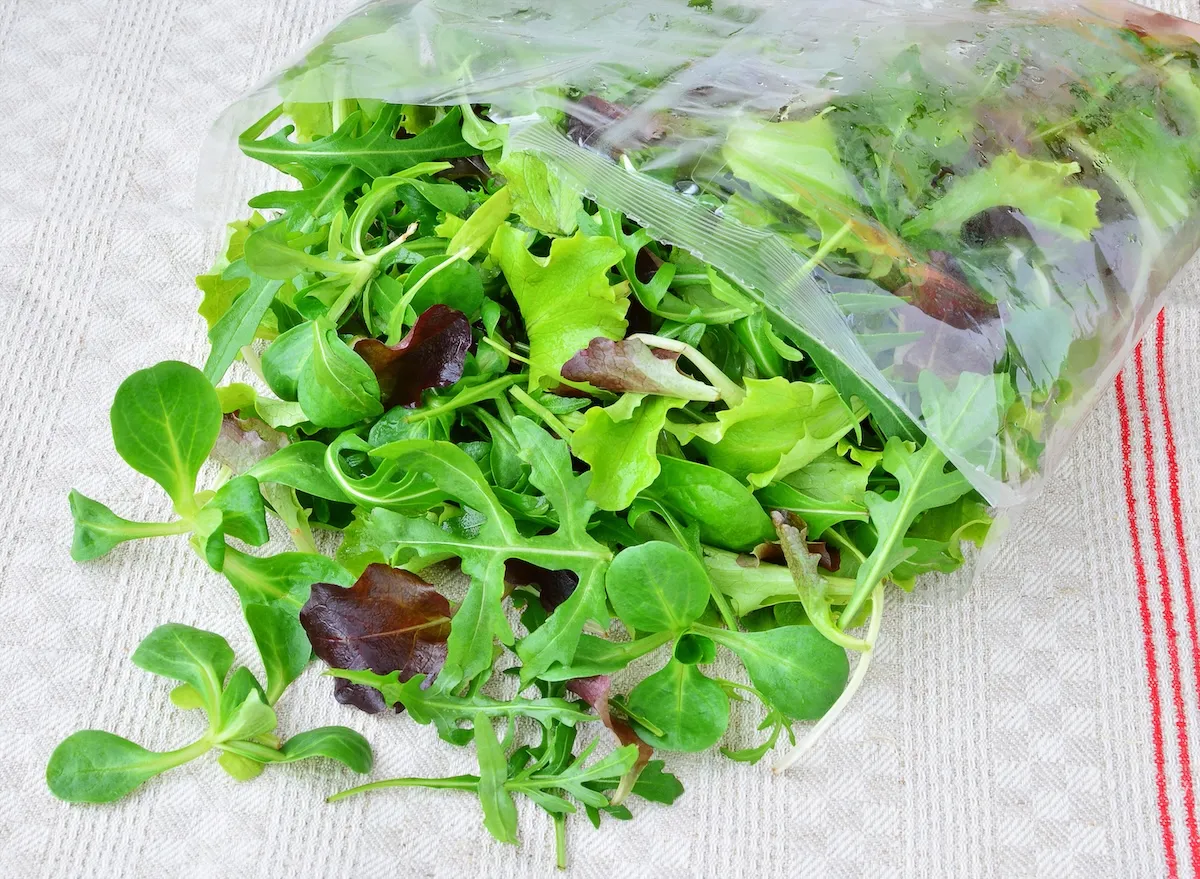
6. Bagged Salads
Prewashed salad leaves may be convenient, but they do not have an unlimited refrigerated life.
Once deterioration begins, the leaves can become wet, slimy or visibly discoloured. Those changes are reasons to discard the affected product rather than trying to salvage it.
Unopened bagged produce may remain usable for several days beyond the date printed on the package, while opened produce has a much shorter useful life.
The condition of the leaves therefore matters alongside the date.
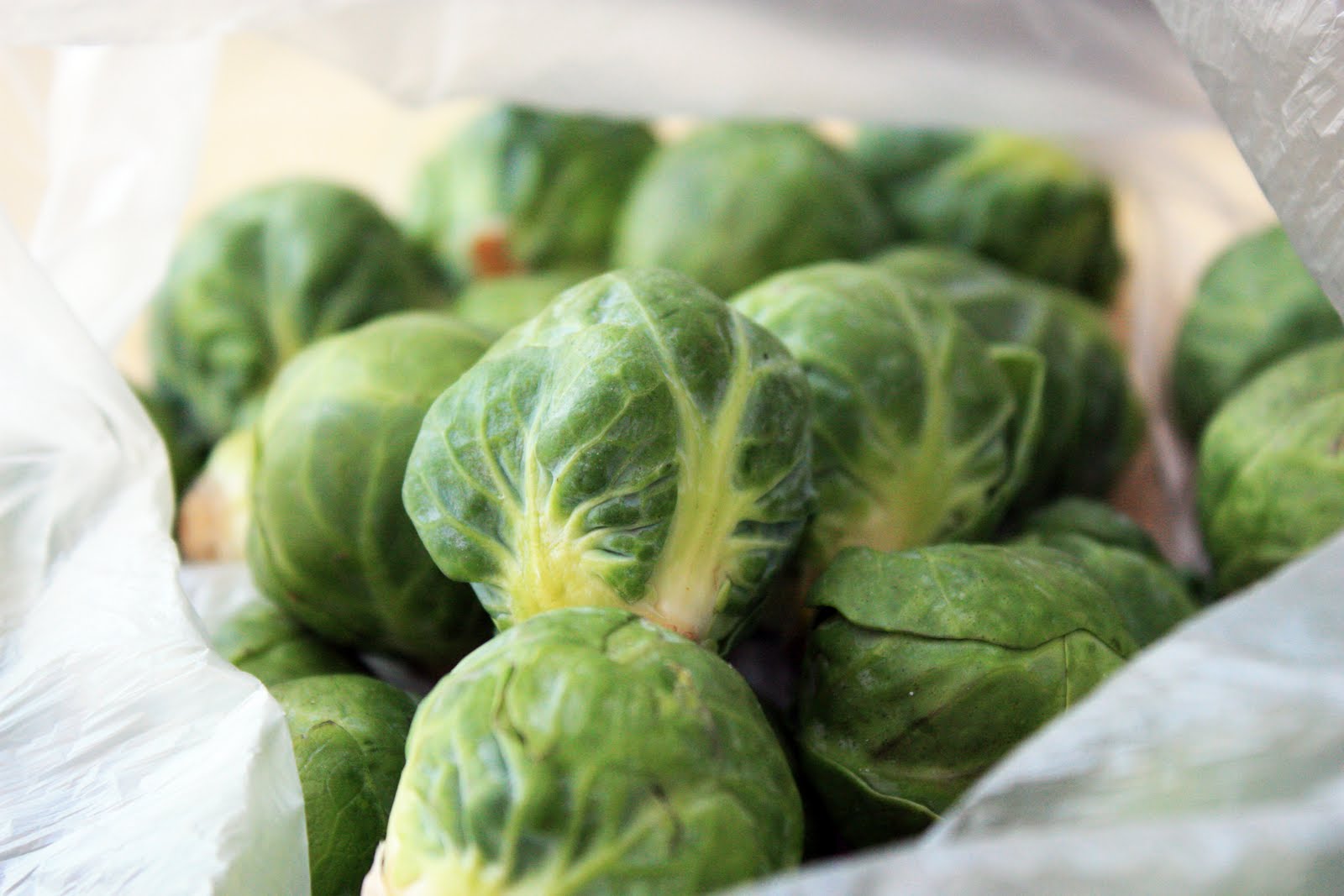
7. Sprouts
Sprouts have an unusual food-safety problem: the environment that encourages them to grow can also encourage bacteria to multiply.
Their production requires warm, humid conditions, and those conditions can support organisms including Salmonella, Listeria and E. coli.
Sprouts generally have a refrigerated life of about five to 10 days after purchase. Raw sprouts are also a particular concern for pregnant women and people with weakened immune systems, who are advised to avoid them.
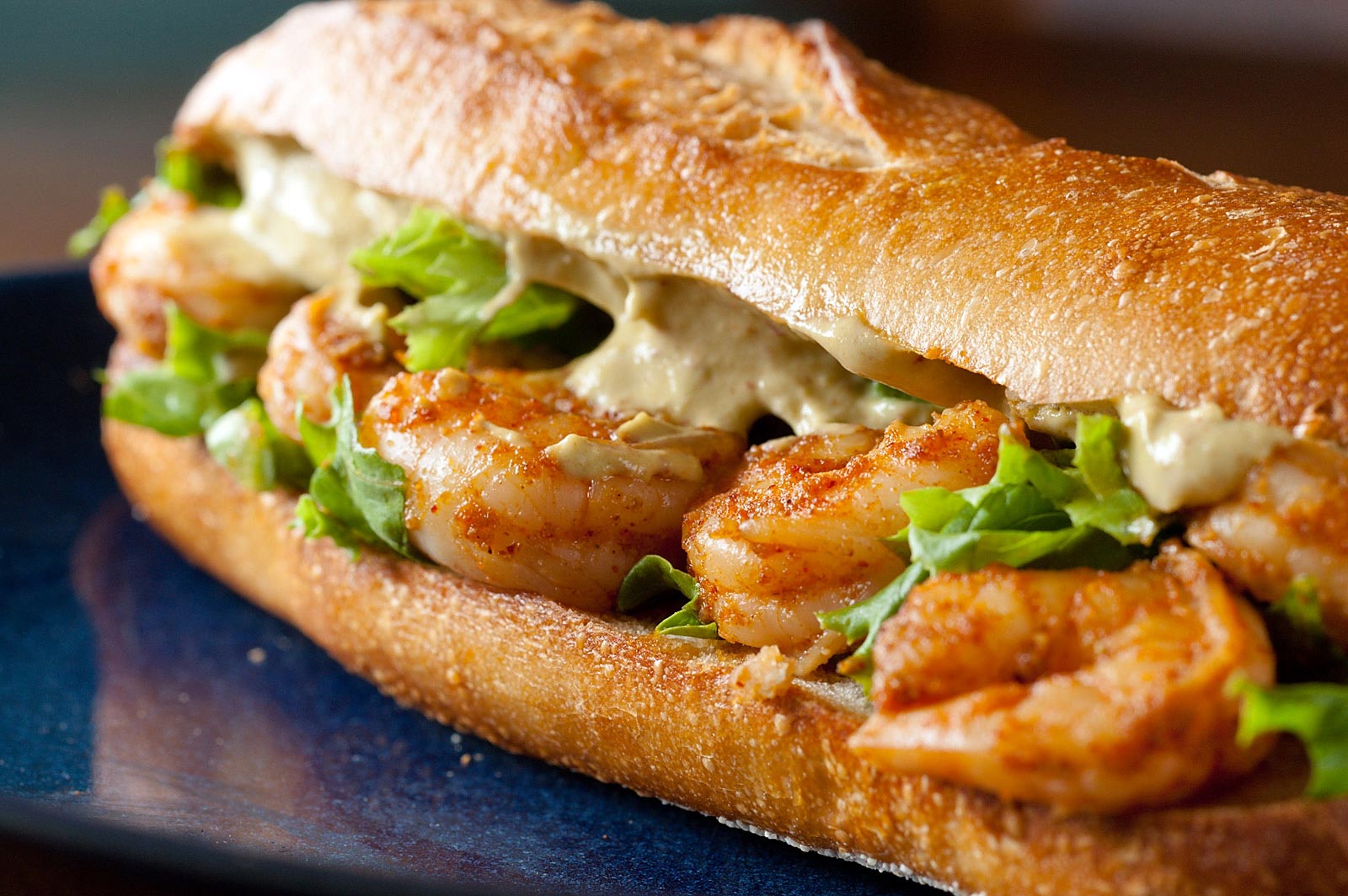
8. Mayonnaise and Creamy Dressings
Commercial mayonnaise can remain refrigerated for a considerable period after opening, but that does not mean it should be kept indefinitely.
Opened commercial mayonnaise has a recommended refrigerated storage period of about two months. Creamy salad dressings have a shorter window of approximately three to four weeks.
Those limits are not the only consideration. A product that develops an abnormal smell or appearance should be discarded rather than kept until the nominal storage period has elapsed.
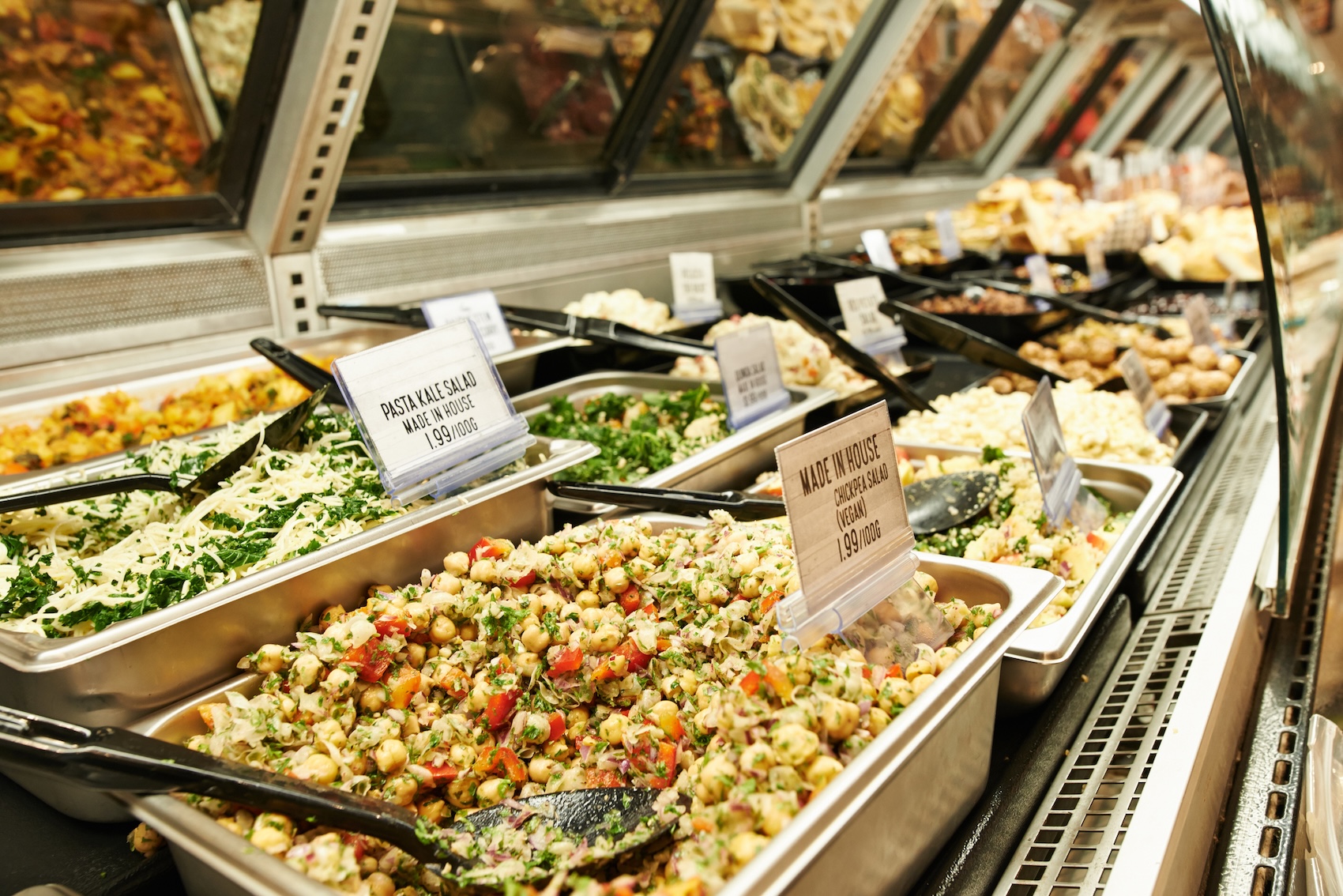
9. Prepared Deli Salads
Potato salad, egg salad, tuna salad and pasta salad combine several characteristics that make prolonged storage undesirable: moisture, perishable ingredients and repeated handling.
A general refrigerated storage period of about three to five days applies to these prepared salads.
Listeria can also grow in refrigerated foods, which is one reason that prepared salads should not simply be kept until they look obviously spoiled.
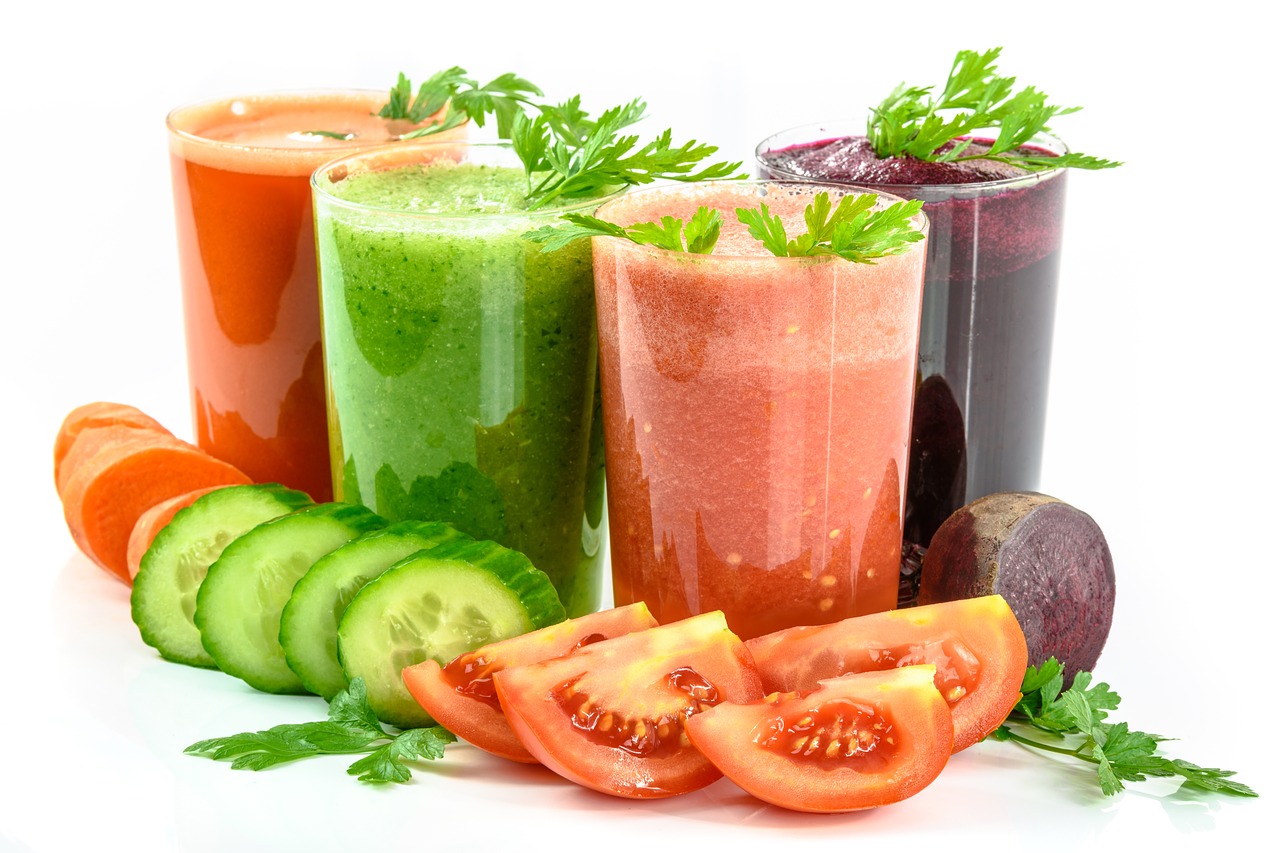
10. Cold-Pressed Juice
Cold-pressed juice that has not been pasteurised has a shorter storage life because it has not undergone the heat treatment used to destroy harmful bacteria.
Once opened, such juice generally has a useful refrigerated period of about three to five days.
Untreated juices are required to carry a warning label, and the material notes that the Food and Drug Administration advises children, older adults, pregnant women and people with weakened immune systems to avoid them.
The Date on the Package Is Only Part of the Answer
Food labelling can be confusing because different dates serve different purposes.
A “sell by” date is primarily intended to guide retailers, while a “best by” date is generally associated with the quality of the product. Neither automatically establishes the precise moment at which a food becomes dangerous.
That does not mean dates can simply be ignored.
For foods that support bacterial growth, the length of time they have been refrigerated, whether they have been opened and the condition of the food all become relevant. A product can also contain harmful bacteria without producing an obvious smell or visible sign of spoilage.
That is particularly important with foods such as deli meat, seafood, soft cheese and prepared salads, where the recommended storage period can be relatively short.
The safest approach is therefore not to rely on one signal alone. The printed date, storage history and condition of the food all have a role in deciding whether something should remain on the table or go into the bin.