
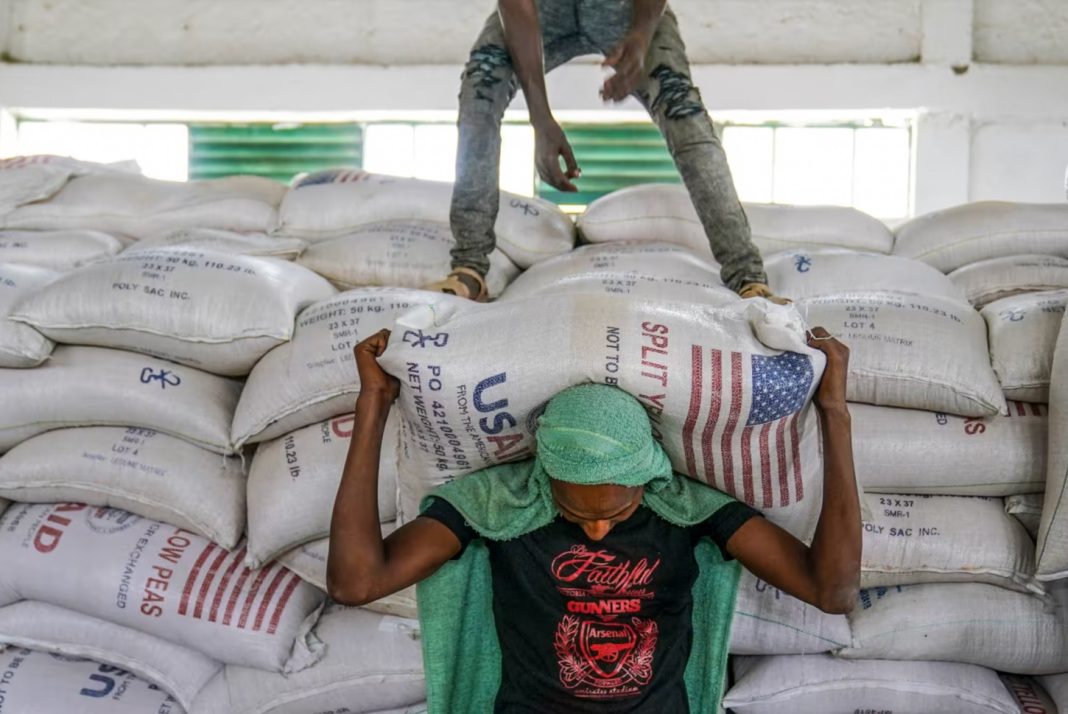

LONDON, United Kingdom — Nearly two months after the outbreak of the Iran war, rising fuel and fertiliser costs are prompting growing concern among economists and policymakers over the potential impact on global food prices.
While increases at the retail level have so far remained limited, analysts say the full effects of the conflict have yet to emerge, citing the delay between higher agricultural input costs and consumer prices.
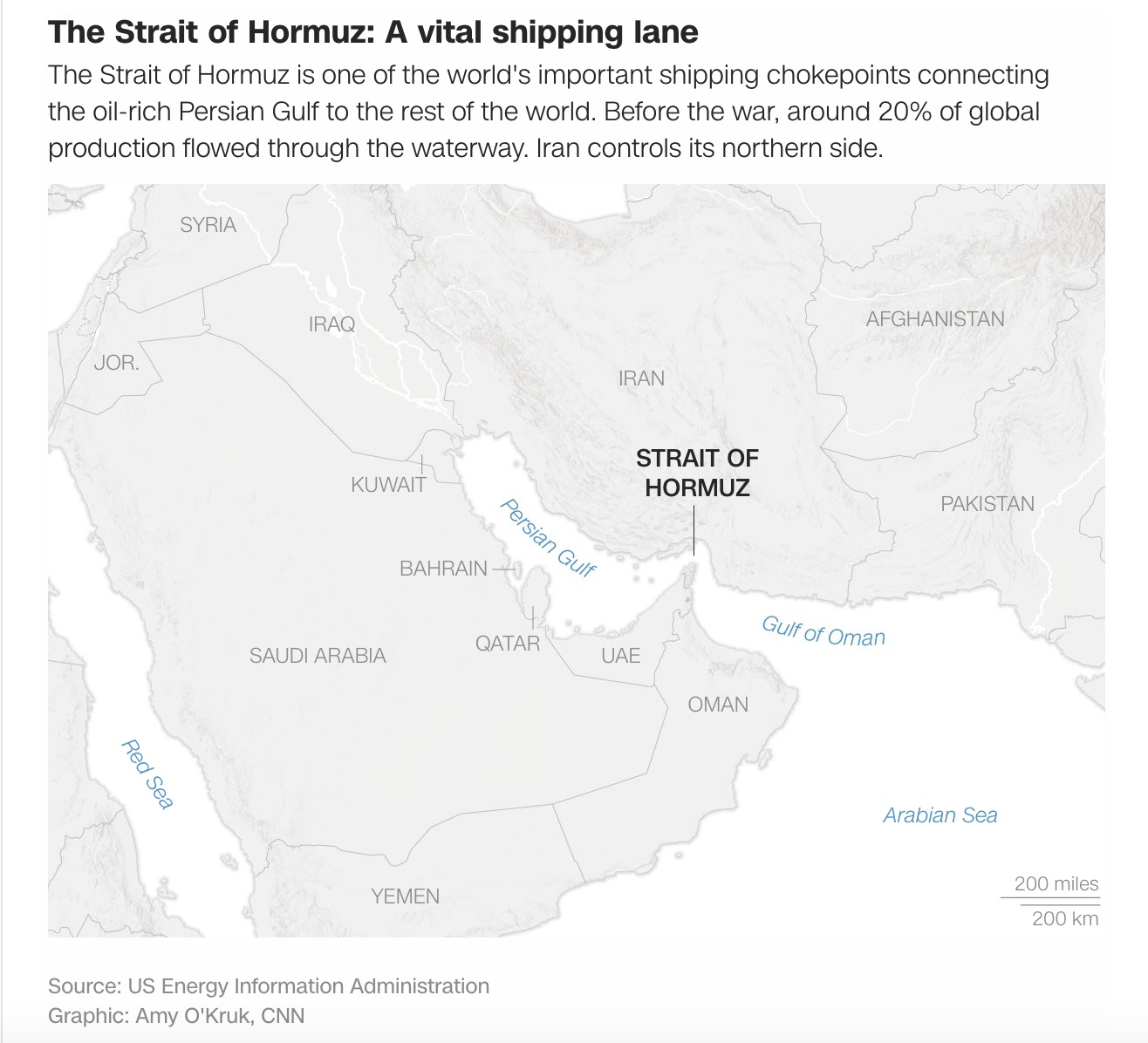
The disruption to shipping through the Strait of Hormuz, a critical route for global energy and fertiliser supplies, has been identified as a key factor shaping the outlook.
The waterway typically carries about one-third of seaborne fertiliser and one-quarter of seaborne oil.
Delayed Impact on Food Costs
Economists broadly agree that higher input costs will eventually translate into more expensive food.
“Food prices will definitely rise in the coming months, making it more difficult for many people around the world to afford adequate and healthy diets,” said Matin Qaim, executive director of the Center for Development Research at the University of Bonn.
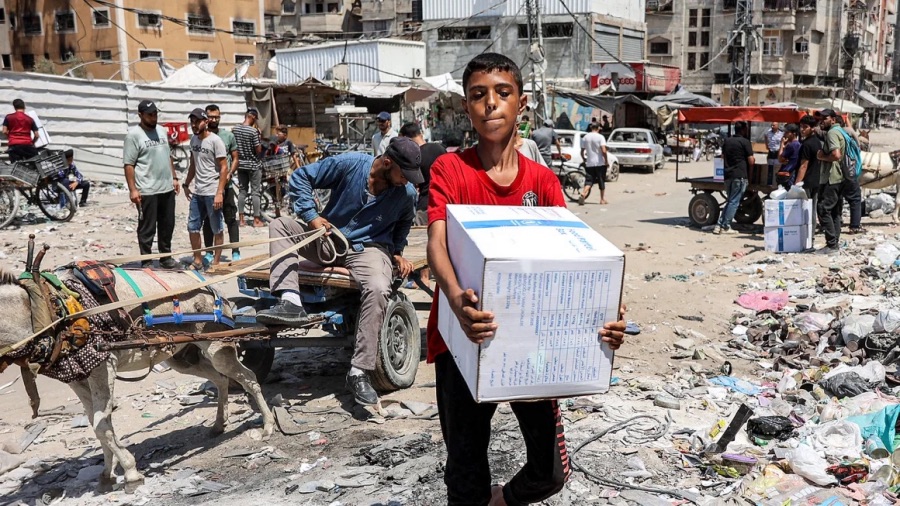
“Poor people in Africa and Asia will be hurt the most because they have to spend a high share of their income on food anyway,” Qaim said. “Hunger and undernutrition will very likely rise.”
The Food and Agriculture Organisation has warned that a prolonged disruption could lead to a global food “catastrophe,” with countries including India, Bangladesh, Sri Lanka, Somalia, Sudan, Tanzania, Kenya and Egypt identified as particularly vulnerable.
The World Food Programme has estimated that nearly 45 million additional people could face acute food shortages if the conflict continues into mid-year and oil prices remain above $100 per barrel.
Prices Rise Modestly Amid Strong Supply
Despite the concerns, global food prices have risen only modestly so far. According to the FAO’s food price index, overall prices increased by 2.4 percent last month compared with February, while cereal prices rose by 1.5 percent.
Food prices remain about 11 percent below levels seen in 2022, when markets were affected by the combined pressures of the COVID-19 pandemic and Russia’s invasion of Ukraine.
Production levels have also remained strong. The FAO projects global cereal stocks will reach a record 951.5 million tonnes by the end of the 2026 farming season, an increase of about 9 percent from the previous year.
Sandro Steinbach, an agricultural economist at North Dakota State University, said recent price movements should be interpreted cautiously.
“Input shocks often transmit with a lag,” Steinbach said. “Inventories, pre-purchased fertiliser, delayed pass-through, and uncertainty about duration can all temporarily mute the effect.”
Uneven Impact Across Countries
Researchers say aggregate global indices may not reflect the pressures faced by households in lower-income countries.
“In many low-income countries, fuel prices feed directly into retail food prices, since transport expenditure makes up a far larger share of total households’ expenditure compared to high-income countries,” said Shouro Dasgupta of Fondazione CMCC.
He noted that rising energy costs were already affecting food budgets in cities such as Dhaka, Cairo and Lagos, even before potential impacts on agricultural output.
As prices increase, households may shift consumption towards less expensive, calorie-dense foods, with potential consequences for nutrition and long-term health.

Uncertainty Over the Severity of the Crisis
There is less agreement among analysts on how severe the impact will be.
Market indicators suggest moderate increases, with wheat and maize futures on the Chicago Mercantile Exchange pointing to gains of 4 to 5 percent by the end of the year.
Some economists say the global food system is better positioned to absorb the shock than during previous crises, such as the 2007–08 food crisis, when export restrictions worsened supply shortages.
“The current situation is a little different,” said Elizabeth Robinson of the London School of Economics. “Grain markets are not being disrupted, and countries are not reacting as they did in 2008.”
“Therefore, we most likely do not need to be concerned that there will be a drastic surge in food prices in the near future,” she added.
Steve Wiggins, a research fellow at the Overseas Development Institute, said agricultural systems are capable of adapting to changing conditions.
“Farming across the world is diverse and dispersed,” Wiggins said, noting that producers can adjust to shifts in input availability and prices.

Fertiliser Costs and Agricultural Risks
However, analysts warn that prolonged disruption could still drive higher costs for farmers.
The FAO estimates fertiliser prices could be about 20 percent higher in the first half of 2026 if the crisis continues, affecting inputs such as urea, ammonia, sulfur and phosphates.
Kathy Baylis, a food security expert at the University of California, Santa Barbara, said recent price increases may intensify in the coming months.
“We’ve already seen food prices edge up in March, but I imagine the April numbers will be worse,” Baylis said.
She added that higher input costs could affect planting decisions and crop yields.
“But even if planted area remains stable, we might see a drop in yields because of decreased input use,” she said.
The trajectory of food prices, analysts say, will depend largely on how long disruptions persist in key supply routes and whether energy costs remain elevated.